
Shoulder Treatments Santa Rosa
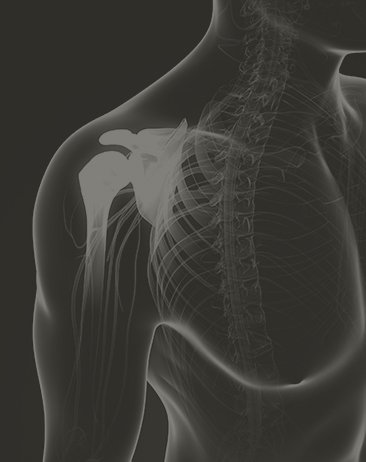
The shoulder joint is one of the most complex parts of the body. This complexity is anatomically necessary to support the wide range of arm movements you may perform as you go about your days. But being so mobile and structurally sophisticated, the shoulder may be susceptible to injury. It is important to know how to spot a shoulder injury and discern when to see a doctor.
The specialists at Redwood Orthopaedic Surgery Associates are happy to serve patients from Santa Rosa, Petaluma, and surrounding areas. To schedule an appointment to discuss your shoulder pain symptoms, contact us at (707) 544-3400.
What are the Most Common Shoulder Injuries?
Some of the most common shoulder injuries that require professional care include:
- Rotator cuff injuries. These may occur as a result of progressive wear and tear on the tendon located in the rotator cuff, or as a result of a fall or accident.
- AC joint pain or strain. This joint can be seen or felt on the top part of the shoulder. It may be injured in an accident or through degeneration that results in arthritis.
- Frozen shoulder. Clinically, frozen shoulder is referred to as adhesive capsulitis. This painful condition often occurs without explanation. It may occur in stages of worsening pain and stiffness followed by a return to normal.
- Impingement Syndrome. Sometimes called Swimmer's Shoulder, this shoulder injury can also occur as a result of your anatomy. It involves the pinching of the rotator cuff tendons as they travel through the upper arm to the upper part of the shoulder.
What is the Rotator Cuff?
The rotator cuff is a group of muscles and tendons that surround the shoulder joint. This part of the shoulder stabilizes the joint and also provides the dynamic movement that is needed to allow the full range of motion of the arm. The muscles and tendons in the rotator cuff are activated for nearly every movement you make with your arms, from reaching overhead to brush your hair to placing objects on a table.
When Should I See a Doctor about Shoulder Pain?
Shoulder pain and other symptoms may indicate a minor problem that will resolve on its own with rest. Conversely, symptoms may worsen if proper treatment is not applied. You may want to schedule a consultation with your primary care physician or an orthopedic specialist if you experience any of the following:
- Pain persists for more than two weeks.
- Pain worsens over time.
- Pain does not get better with rest, over-the-counter medication, and other remedies.
- Loss of sleep due to pain and discomfort at night.
- Sounds of clicking or popping in the shoulder when moving the arm.
- Pain occurs or worsens with certain movements, such as raising your arm overhead.
There can be several benefits to seeing a doctor about shoulder pain. One is that you can gain peace of mind knowing that your doctor has thoroughly examined the area and has determined that rest and home remedies may be good options. Another is that you can more quickly determine if clinical care is needed for a more significant problem.
Don't assume that seeing a doctor for shoulder pain will lead to surgery. There are several steps we take before we make that recommendation! During your initial consultation, your doctor will ask about any recent injury, your current activity, the symptoms you're having, and other aspects of your life that may have contributed to an injury. To reach an accurate diagnosis, your doctor will perform a physical examination and may also order x-rays or other imaging to observe the bones, tendons, and other structures of your shoulder.
How are Shoulder Injuries Usually Treated?
Surgery is considered as a last resort when other treatment options have either failed or cannot address the extensive repair that is needed. Before advising you to have surgery, your doctor will carefully review your physical examination and diagnostic imaging. They may then first prescribe physical therapy to help strengthen and mobilize the shoulder. This may occur in conjunction with prescription oral medication or injections that reduce the inflammation that's affecting comfort and range of motion.
Schedule a Consultation at Redwood Orthopaedic Surgery Associates Today!
Our goal is to help you regain optimal comfort and range of motion through appropriate clinical treatment. Contact us at (707) 544-3400 to arrange a time when you can come in and learn more about what can be done about your shoulder pain.