
Orthopedic Surgery Santa Rosa
Orthopedic Surgery Santa Rosa Orthopedic Surgery Santa Rosa Orthopedic Surgery Santa Rosa
Orthopedic Surgery Santa Rosa
Orthopedic Surgery Santa RosaOrthopedic Surgery Santa RosaOrthopedic Surgery Santa Rosa

Spine Conditions

Cervical Spine

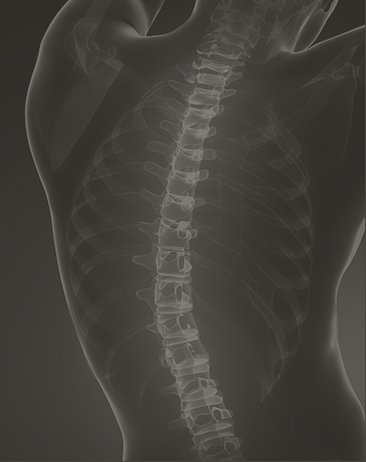
The cervical spine (neck region) is one of the most important and agile parts of your body. It begins at the base of the skull and consists of 7 bones separated by intervertebral discs that allow the spine to move freely. Common conditions affecting the cervical spine include:

Osteoarthritis of the Spine

Degeneration of the discs and facet joints can lead to pain and stiffness involving the neck or back. This condition can usually be treated with anti-inflammatory medication, physical therapy, or injections.

» Contact us for more information on Osteoarthritis of the Spine

Herniated Disc and Degeneration

Intervertebral discs in between the bones of the vertebrae help to cushion the bones and allow for smooth and painless movement. Symptoms can arise when part of the disc material begins to protrude, known as a disc herniation. Disc degeneration can cause similar symptoms. This condition can cause neck pain that radiates into the shoulder, arm, or hand. Associated symptoms include weakness or numbness in the shoulder, arm or hand. Treatment for a herniated or degenerated disc includes immobilization of the neck, anti-inflammatory medication, physical therapy, or surgery. The surgical treatment is based on the anatomy, goals, and symptoms of each patient.

» Contact us for more information on Herniated Disc and Degeneration

Cervical Stenosis

As spinal degeneration occurs naturally with age, bone spurs may form and cause the spinal canal to become smaller. Bone spurs press on the spinal cord or nerve roots and cause symptoms similar to that of a herniated disc, except that the pressure is applied to the entire spinal cord. Pain can spread from the neck and back all the way down the arms and legs. It can also cause a loss of control and strength in the arms and legs. This is a more serious condition. The symptoms of spinal cord compression can become permanent. Symptomatic spinal cord compression usually requires surgical treatment.

» Contact us for more information on Cervical Stenosis

Lumbar Spine

The lumbar spine refers to the lower area of the spine between the pelvis and thoracic cage. It is made up of 5 vertebrae that are stacked on top of each other with cushion-like intervertebral discs in between. The lower back is the largest movable segment of the vertebral column and is extremely vulnerable to disorders, making it the source of many pain complaints. Lumbar spine pathology can cause low back pain in addition to sciatica. Nerve compression in the low back can cause sciatica. Sciatica is pain that radiates down the legs and can be associated with numbness, tingling and muscle weakness. Common lumbar conditions include:

Herniated Disc

A herniated disc, also referred to as a bulging, ruptured or slipped disc, is one that protrudes into the spinal canal and applies pressure to a nerve root. A herniated lumbar disc can cause pain in the back and all the way down the legs and feet. About 90% of herniated discs occur in the lumbar spine. Treatment for a herniated disc includes anti-inflammatory medication, physical therapy and steroid injections. Surgery is usually not required. When surgery is indicated it can usually be done through a minimally-invasive approach.

» Contact us for more information on Herniated Discs

Lumbar Spinal Stenosis

As a result of age, intervertebral discs often become less spongy and smaller in height. The decreased support of these discs can cause the spinal canal to narrow and compress the surrounding nerves, causing pain and weakness in the lower back and legs. The distribution of the symptoms will vary based on the level involved. Lumbar spinal stenosis occurs most frequently in older patients, and can be a result of arthritis. This condition can be treated with medications, steroids or physical therapy. More severe cases may require surgery.

» Contact us for more information on Lumbar Spinal Stenosis

Lumbar Spondylolisthesis

Spondylolisthesis refers to a slip of one vertebrae relative to another. The most common causes include degeneration in the disc and facet joints or a stress fracture. The lower lumbar levels are most commonly involved. The slippage can cause back pain or sciatica symptoms. Treatments include anti-inflammatory medication, physical therapy, injections or surgery. The surgical treatment of a spondylolisthesis usually requires a fusion and laminectomy.

» Contact us for more information on Lumbar Spondylolisthesis

Thoracolumbar Compression Fracture

Compression fractures commonly occur in the setting of osteoporosis. A compression fracture typically involves the vertebral body and usually causes back pain. Bone mineral density can be assessed radiographically and medical treatment can reduce the incidence of these fractures. When fractures occur they can be treated with activity modification, bracing, physical therapy or surgery. Kyphoplasty is a minimally-invasive procedure that stabilizes compression fractures and improves pain.

» Contact us for more information on Thoracolumbar Compression Fractures

back to top

  • ROSA provides a full scope of orthopaedic services including:
  • Total joint replacement of the shoulder, elbow, hip, knee, and ankle
  • Open and arthroscopic shoulder, elbow, wrist, knee and ankle surgery
  • Upper extremity reconstruction and peripheral nerve surgery
  • Minimally invasive and reconstructive surgery of the cervical, thoracic, and lumbar spine
  • Evaluation and treatment of all sports-medicine related injuries, including knee, shoulder, elbow, wrist, hand, and ankle
  • State-of-the-art medical equipment including wireless, digital x-ray