

Hip Surgery Santa Rosa
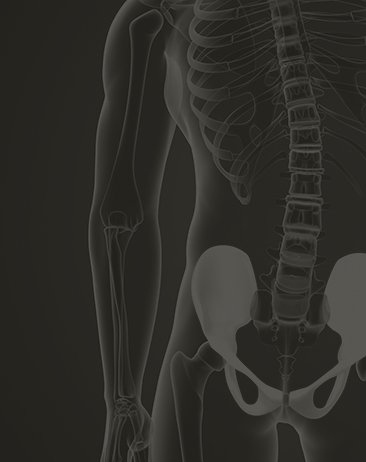
Redwood Orthopaedic Surgery Associates provides a full scope of orthopaedic services of the hip including:
When Should I See an Orthopedic Surgeon for Hip Problems?
If you are living with persistent hip pain, it is wise to schedule an appointment with your primary care physician. Your doctor may order imaging tests to check the hip joint for deterioration, impingement, or fractures. The standard approach to care for hip pain is to manage the health of the joint with physical therapy exercises and rest. Over-the-counter pain relievers can help reduce discomfort from minor hip injuries or osteoarthritis. You should see an orthopedic surgeon if your hip pain is impacting your ability to perform your job or other activities. If hip pain persists or worsens after a fall or accident in which physical trauma has occurred, it is important to schedule a consultation with either your primary care doctor or an orthopedic surgeon. It is also advantageous to see an orthopedic specialist if hip pain is waking you up at night or is causing you to walk differently than you normally would. Changes in gait are common for people with problems like hip osteoarthritis. These changes can cause damage to other joints, such as the knees, so should be addressed as soon as possible.
What Treatments Do You Offer?
The experienced team of doctors at Redwood Orthopaedic Surgery Associates performs hip procedures that focus on individual needs. They are exceptionally trained to perform hip replacement procedures and repairs that are needed due to injuries such as tears and fractures. During your consultation, your doctor will discuss your condition with you at length, including the type of treatment that may be warranted at the time of your visit or later, if the condition were to worsen.
What Are the Benefits of Hip Replacement Surgery?
Chronic hip pain can have devastating effects on your overall health and quality of life. Hip replacement surgery can be the end of your physical pain and can also pave the way to a more active life! Replacing a deteriorated hip joint can also restore a significant amount of flexibility and range of motion, allowing you to move more fluidly and comfortably than you have in months, maybe years.
What Are the Different Approaches to Hip Replacement Surgery?
Hip replacement surgery is performed through an incision made at the side or the front of your hip. These two different approaches may be referred to as an anterior or posterior hip replacement. Your doctor will discuss which technique may be ideal for you based on your situation and also what to expect as you recover from your procedure. Once the incision for hip replacement is made, the rest of the procedure is performed in the same way. The doctor carefully removes the cartilage and bone that are not functional and places an artificial socket in the joint space. An artificial ball is placed into the top of the femur bone. This new ball fits into the new socket to create a functional gliding structure.
Who is at Risk of Developing Issues with the Hip?
Anyone can develop hip issues over time. While an active lifestyle is beneficial for the strength and flexibility of all of the body’s joints, persistent strenuous activity may make the hip joint susceptible to excessive wear and tear. Being overweight puts a lot of stress on the joints of the lower body, so is considered a risk factor for hip arthritis. The aging process alone can cause the cartilage in the hip joint to wear down more quickly, which may be one reason we see more hip problems in older individuals. There may be no way to guarantee that you can avoid hip problems in your lifetime. However, you can take measures to reduce your risks. Suggestions include engaging in low-impact physical activities on a regular basis. Activities like walking, swimming, yoga, moderate strength training, and bike riding are great activities to promote muscle strength, flexibility, and weight management all at once. You may also support all of the joints in your body with a nutrient-rich diet that or supplementation with omega-three fatty acids, which have anti-inflammatory properties.
What Are the Early Signs of Hip Problems?
Pain is often the first indicator that we look for in noticing a joint problem. If you’re developing a hip issue, your pain may occur intermittently and in the hip directly or the groin area. You may also notice that you have limitations in how much you can flex and move when using your hips. It might feel awkward or difficult to bend over and tie your shoes. You may find that your hip aches when you first wake up in the morning or, conversely, after you’ve been moving around during the day. In some cases, swelling occurs around the hip area, but this is often so mild that it goes unnoticed. A change in your gait, specifically developing a limp, can also signal a need to consult with a doctor about your hip function.
FAQ
What Are The Risks of Hip Surgery?
Hip surgery can help treat conditions such as rheumatoid and osteoarthritis, but the operation does come with a few risks. These risks include the following:
- Blood clotting
- Increased risk of infection
- Sustaining damage to nerves
- Potential dislocation
- Bleeding
- Stiffening of the joints
- Loosening of the prosthetic
- Vascular injury
The surgeon will cover these risks in more detail during your appointment.
How Can I Prepare For My Hip Surgery?
Before it is time for your hip surgery appointment, you need to prepare before the operation and after it is complete. First, consult your surgeon about what you can expect from this operation. You need to remain physically active as you recover. However, it is not recommended to do exercises blindly. Ask your surgeon which exercises are easy and safe to perform as you recover.
If you are a smoker, it is best to stop before the operation begins. This is because smoking can interfere with the healing process. You must also prepare for transportation before and after the procedure. If you are currently taking medication, you need to consult with your doctor about whether or not it is safe to take during your recovery.
What Are The Contraindications of Hip Surgery?
Hip surgery has a few contraindications that can make a patient ineligible for the procedure. Having medical conditions, such as cardiovascular disease and type 2 diabetes, can put a patient at more risk for hip surgery. If patients are not able to follow the surgeon’s pre and post-operation instructions, they might not be eligible for the operation. Being obese or having an infection can also disqualify you from hip surgery.
Schedule an Appointment
Redwood Orthopaedic Surgery Associates proudly serves patients from Santa Rosa, CA and surrounding areas who are dealing with chronic hip pain. Contact us at (707) 544-3400 to schedule a consultation!